en
en de
de Hefei Super Electronics Co., Ltd.
What Are You Looking For?

High temperature neodymium magnets are not simply upgraded versions of ordinary magnets; they are specially designed to maintain performance at extreme temperatures. In industrial and automotive applications, from electric vehicle (EV) motors to high-speed machinery, standard N35 N52 grade NdFeB magnets rapidly lose their magnetism at temperatures exceeding 80 degrees Celsius. High-temperature NdFeB magnets address this issue through carefully designed chemical compositions, microstructures, and protective coatings, making them more reliable in B2B applications where thermal stability is paramount.
The key difference lies in the alloy composition. High-temperature NdFeB magnets incorporate heavy rare earth elements (HREEs), such as dysprosium (Dy) and terbium (Tb), which strengthen the atomic lattice and stabilize magnetic domains at high temperatures. This increases the magnet's coercivity (i.e., its resistance to demagnetization), allowing it to maintain magnetic flux density even at temperatures sufficient to degrade the performance of ordinary NdFeB magnets. Unlike conventional magnets, these high-temperature magnets sacrifice some room-temperature magnetic strength in exchange for long-term thermal stability—a deliberate choice in industrial design.
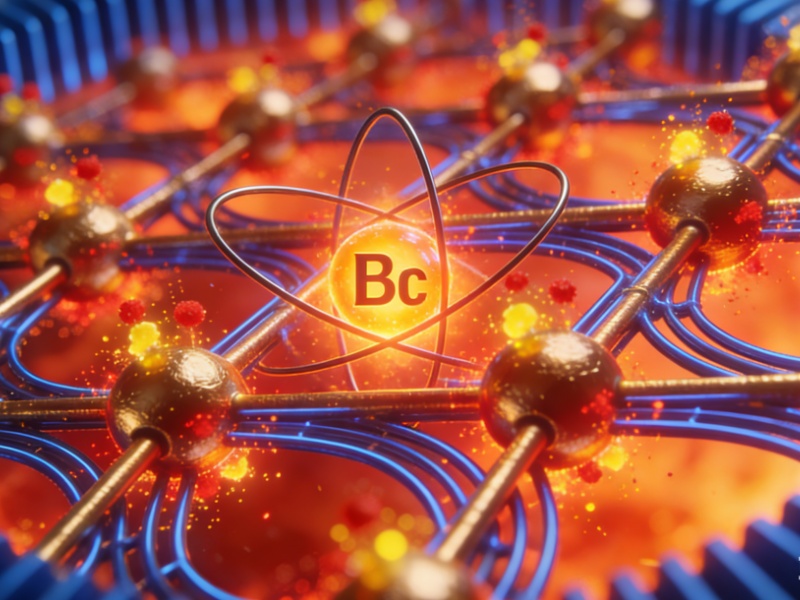
Besides chemical composition, grain size and grain boundary control are also crucial. Advanced sintering and diffusion processes generate fine, uniform grains, reducing weak points where heat could disrupt magnetic domain alignment. The optimized microstructure "locks in" magnetic orientation at the nanoscale, ensuring stable performance under high-temperature operating conditions—a capability lacking in standard industrial NdFeB magnets.
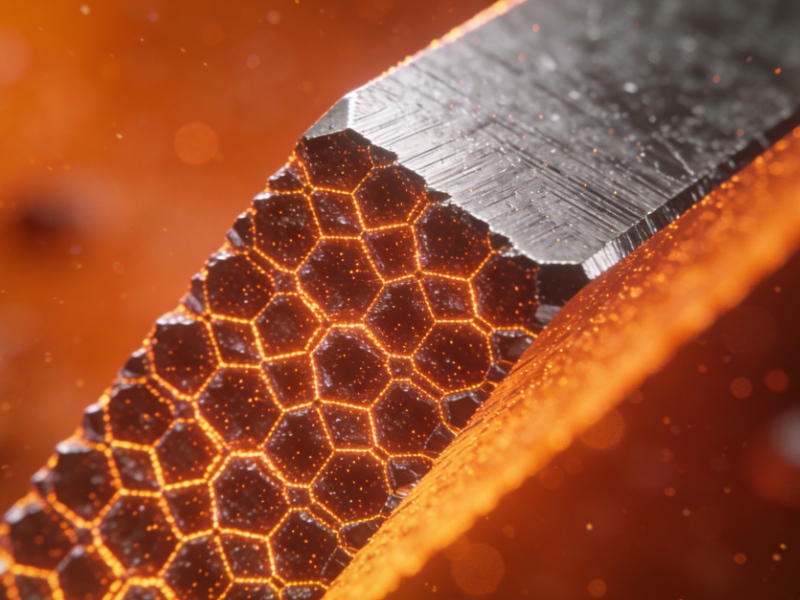
High-temperature magnets also feature special surface coatings. While standard NdFeB magnets may offer only basic corrosion protection, high-temperature magnets employ multilayered metallic or ceramic coatings to prevent oxidation and maintain structural integrity under thermal stress. These coatings complement the internal design, extending the magnet's lifespan in harsh industrial environments.
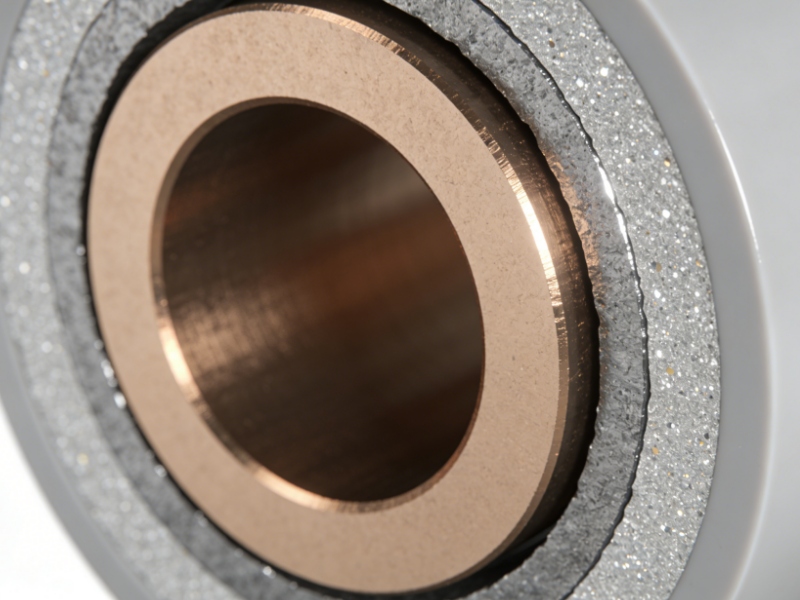
High-temperature NdFeB magnets are designed as part of a thermomechanical system with predictable temperature coefficients and known performance limits. This allows engineers to confidently design and simulate the magnet's behavior under sustained high temperatures. In contrast, standard magnets lack this predictability and are therefore unsuitable for demanding industrial applications.
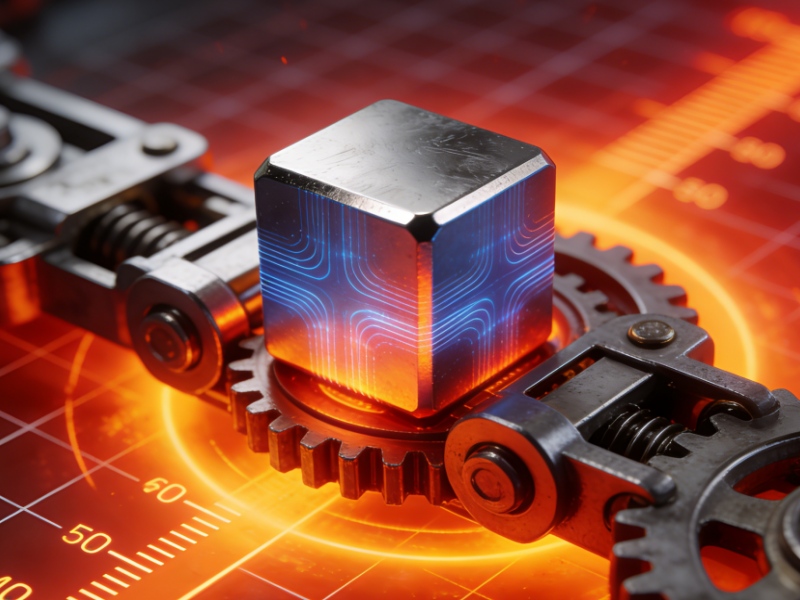
High temperature NdFeB magnets combine custom alloys, precise microstructures, and protective engineering to maintain reliable performance even in the event of standard NdFeB magnet failure. They are critical for electric vehicles, industrial automation, aerospace sensors, and high-speed rotating machinery, providing enterprise customers with long-term stability, efficiency, and reliability.



 IPv6 network supported
Hi! Click one of our members below to chat on