en
en de
de Hefei Super Electronics Co., Ltd.
What Are You Looking For?

When sourcing neodymium magnets, buyers typically prioritize unit price. However, MOQ and hidden costs can significantly impact the final purchasing budget. Understanding the interplay between these factors is crucial for making cost-effective purchasing decisions.
Minimum order quantity (MOQ) typically depends on production constraints, material usage, and manufacturing efficiency. For custom neodymium magnets (e.g., special dimensions, coatings, or magnetization orientations), factories often require higher MOQs to offset the costs of mold setup, material preparation, and production line adjustments. While a higher MOQ may seem to imply a larger upfront investment, it usually results in a lower unit price, making it more economical in the long run.
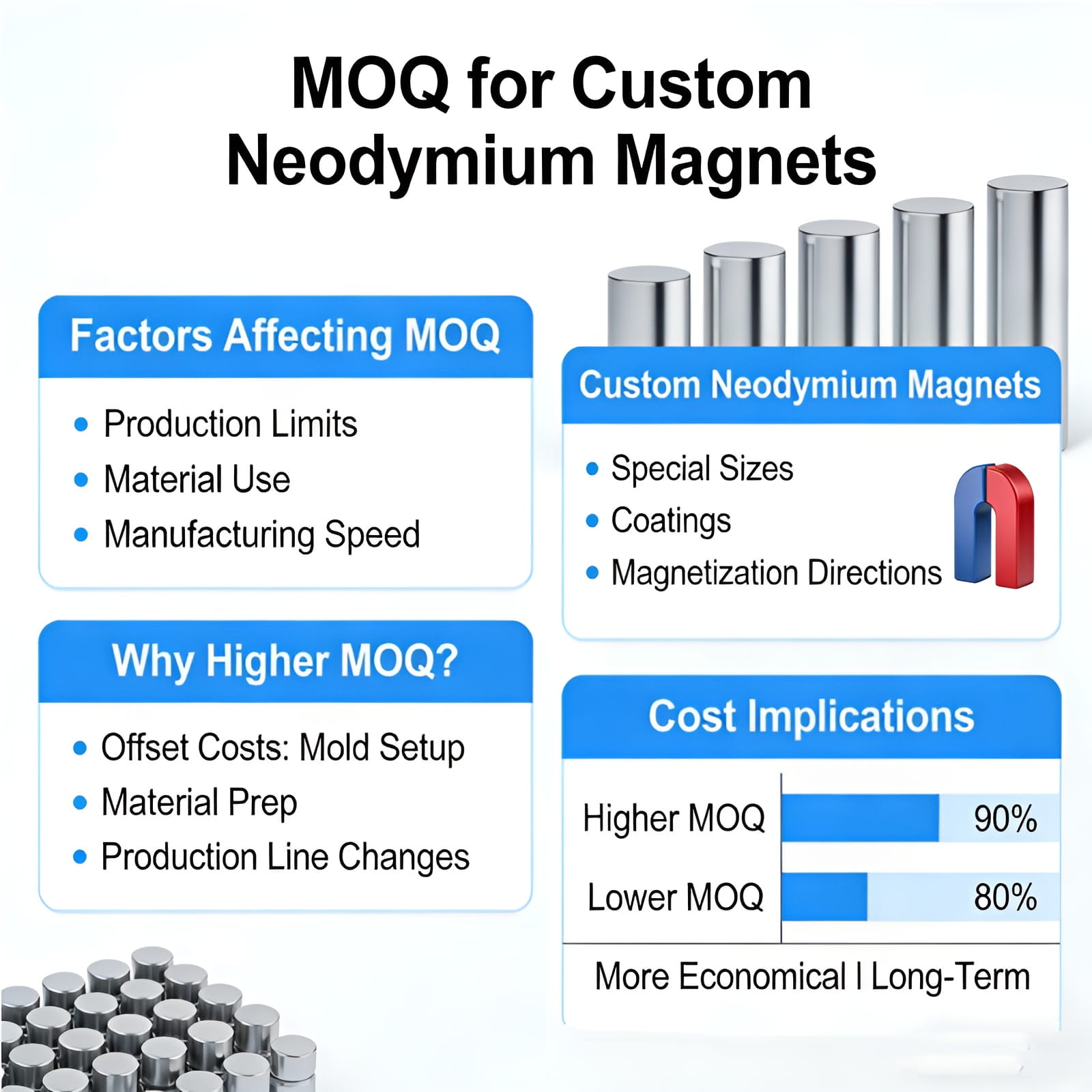
On the other hand, ordering below the MOQ or requesting a small trial order increases unit costs. This is because production resources are not being fully utilized, and setup costs are spread across fewer parts. Buyers should assess whether paying a higher unit price for small orders is worthwhile, or whether increasing the order quantity would reduce the total unit cost.
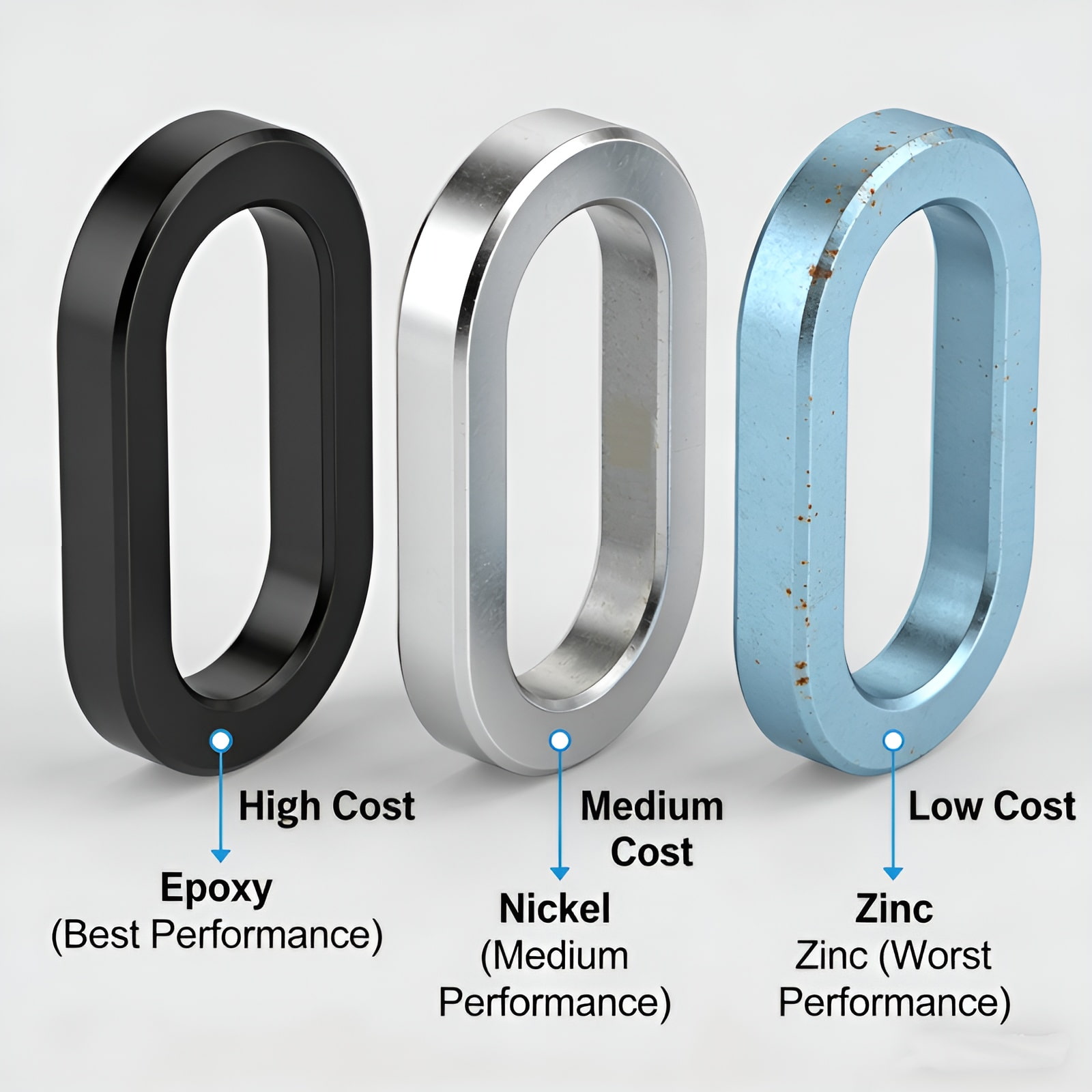
Beyond minimum order quantities and benchmark prices, some hidden costs are often overlooked during the procurement process. A common example is neodymium magnets coating selection. Different coatings—such as nickel, zinc, or epoxy—varie in cost and performance. Choosing a coating without considering the application environment can lead to premature corrosion, increased replacement costs, or product failure.
Another factor is tolerance requirements. Strict tolerances require additional machining or inspection processes, increasing manufacturing costs. If the application doesn't require such high precision, relaxing tolerances can reduce costs without compromising performance.
Packaging and logistics are also crucial. Magnets require special packaging to prevent damage and comply with shipping regulations, especially when air-freighted. Improper packaging can lead to additional costs, delays, or even rejection. Furthermore, shipping terms such as DDP, DAP, or EXW affect final landed costs, and misunderstandings of these terms can result in unexpected expenses.
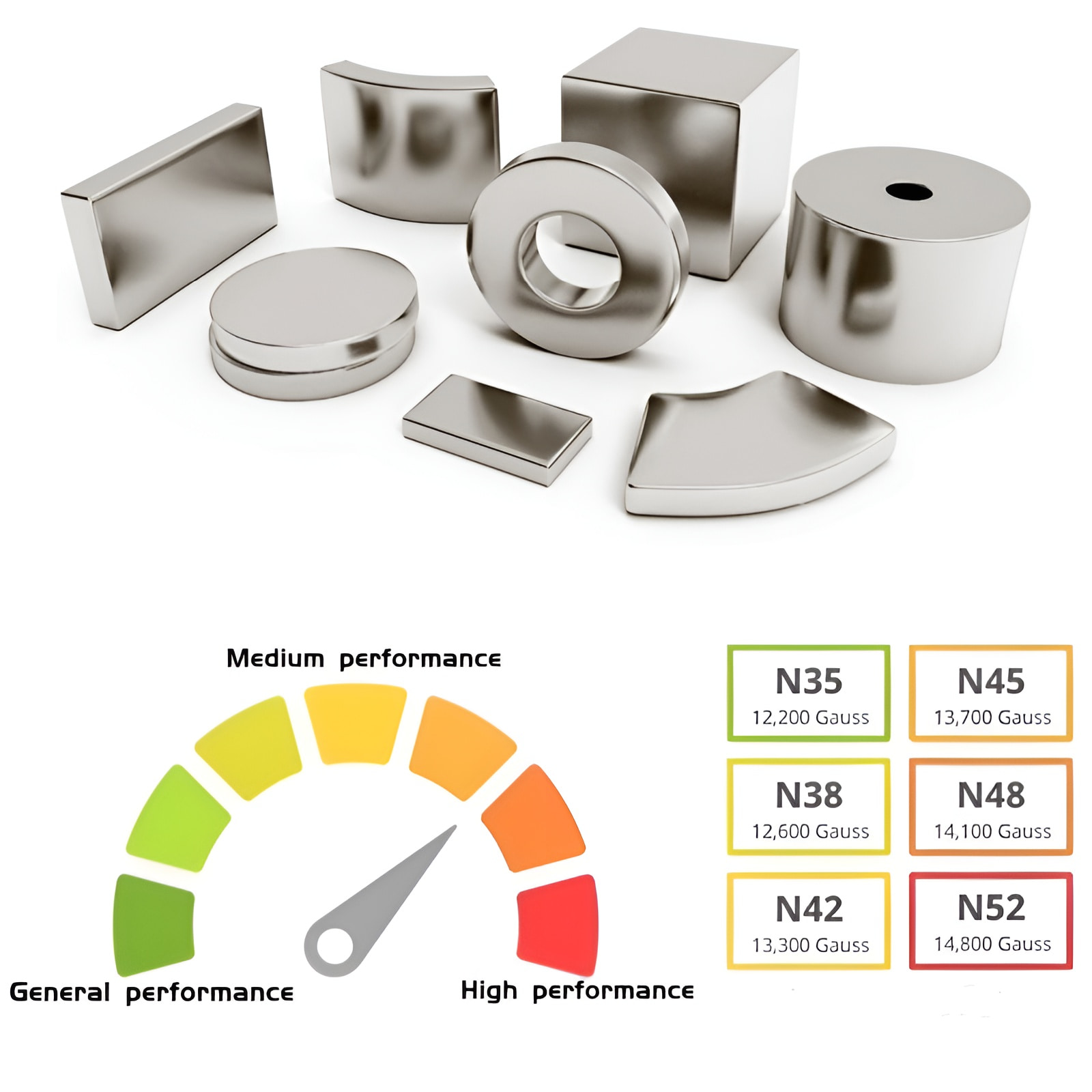
Furthermore, the choice of Ndfeb magnet grade also affects price. Higher grades offer stronger magnetic properties but also higher material costs. In some applications, lower-grade magnets may suffice, providing a more cost-effective solution. To avoid hidden costs, buyers should clearly communicate their application requirements, including the working environment, required magnetic force, dimensional tolerances, and expected quantity. Clear specifications help ensure accurate quotations and reduce the risk of unexpected costs during production or delivery.
In short, MOQ and price should not be evaluated in isolation. A comprehensive understanding of production needs, material selection, and logistical considerations is key to minimizing hidden costs. By strategically planning orders and communicating clearly, buyers can balance cost-effectiveness with reliable product performance.



 IPv6 network supported
Hi! Click one of our members below to chat on