en
en de
de Hefei Super Electronics Co., Ltd.
What Are You Looking For?

In international industrial trade, powerful neodymium magnets are often classified as “high-risk fragile components” during long-distance ocean shipping, not because of their strength in application, but due to their sensitivity to impact, vibration, and uncontrolled stacking pressure. Even when properly manufactured with stable magnetic performance, these components can still suffer edge chipping, surface cracking, or coating damage if the export packaging system is not designed to withstand multi-stage logistics stress. For bulk shipments, packaging quality becomes a critical engineering factor that directly determines product integrity upon arrival.
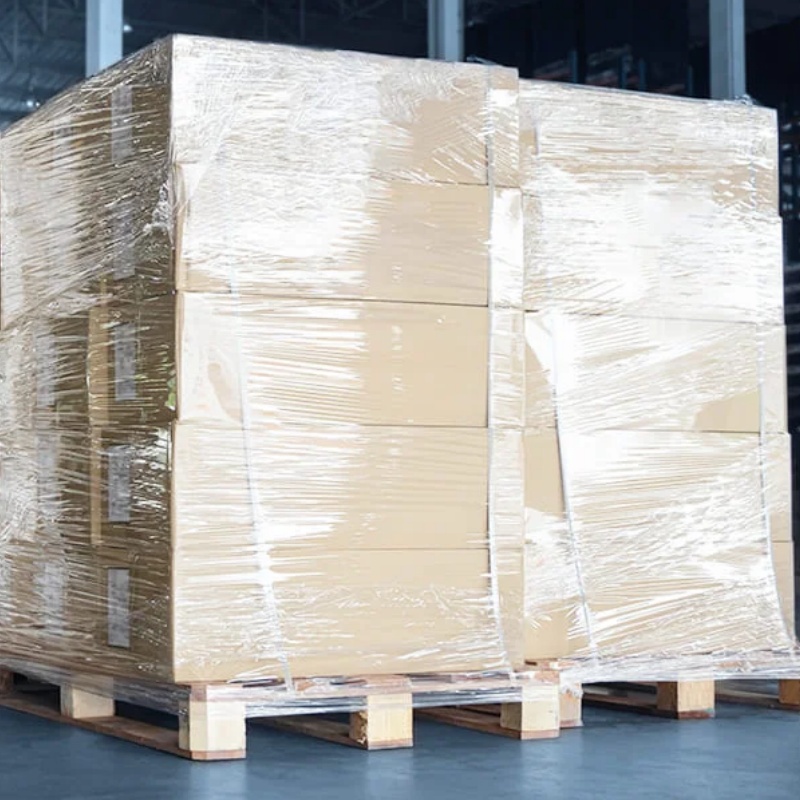
Unlike standard mechanical components, neodymium magnets are highly sensitive to impact, vibration, and improper stacking pressure. During ocean freight, shipments often experience multiple handling stages, container stacking, humidity changes, and long periods of continuous vibration. These factors significantly increase the risk of damage if packaging design is not properly engineered.
One of the most critical factors affecting breakage rate is internal separation. When magnets are stacked together without sufficient cushioning or spacing materials, they can attract each other with strong force, causing sudden collisions. These micro-impacts may lead to edge chipping or surface cracking, especially for small or thin shapes such as discs or rings.
Another key issue is insufficient shock absorption. Standard cartons without reinforced foam or molded trays cannot effectively absorb vibration energy during sea transport. Over time, repeated shaking can weaken neodymium magnet structure integrity or cause coating damage, which further increases corrosion risk in humid marine environments.
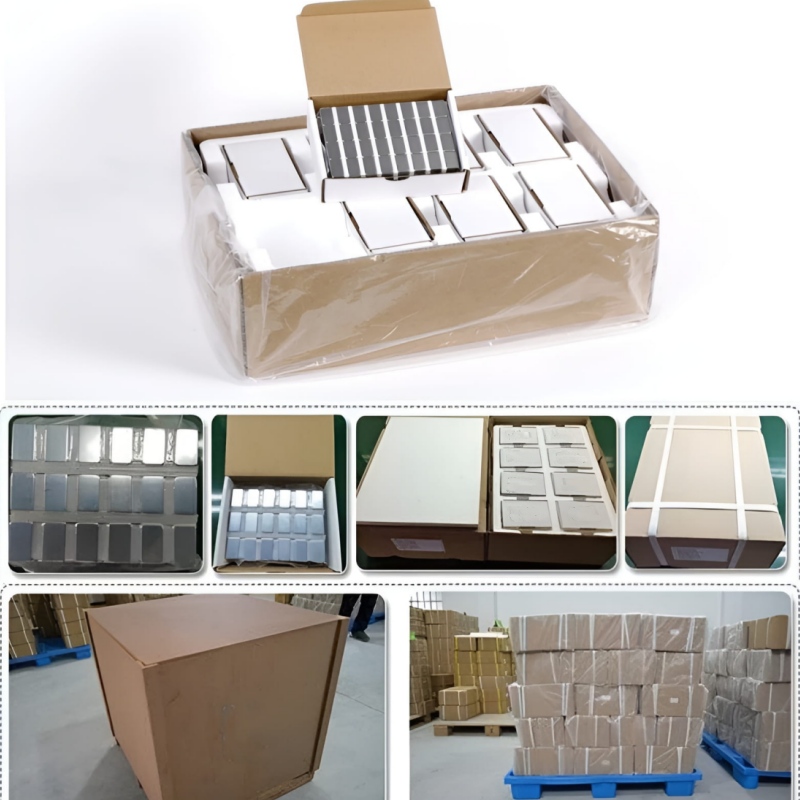
Humidity protection is also essential. Ocean shipping containers often experience condensation due to temperature differences. If packaging does not include moisture-resistant barriers such as vacuum sealing bags or desiccant packs, neodymium magnet surfaces may degrade, leading to reduced performance upon arrival.
In addition, stacking pressure in pallets plays an important role. Heavy cargo placed on top of magnet cartons can create uneven force distribution, causing internal stress fractures. Proper pallet design, including rigid outer cartons and reinforced corners, is necessary to prevent deformation.
Professional ndfeb magnets packaging solutions typically combine multiple layers: anti-magnetic spacing trays, foam cushioning, vacuum moisture barriers, and high-strength outer cartons. For high-value industrial orders, customized wooden crates or shock-resistant export cases are often recommended to ensure safe delivery across long shipping routes.
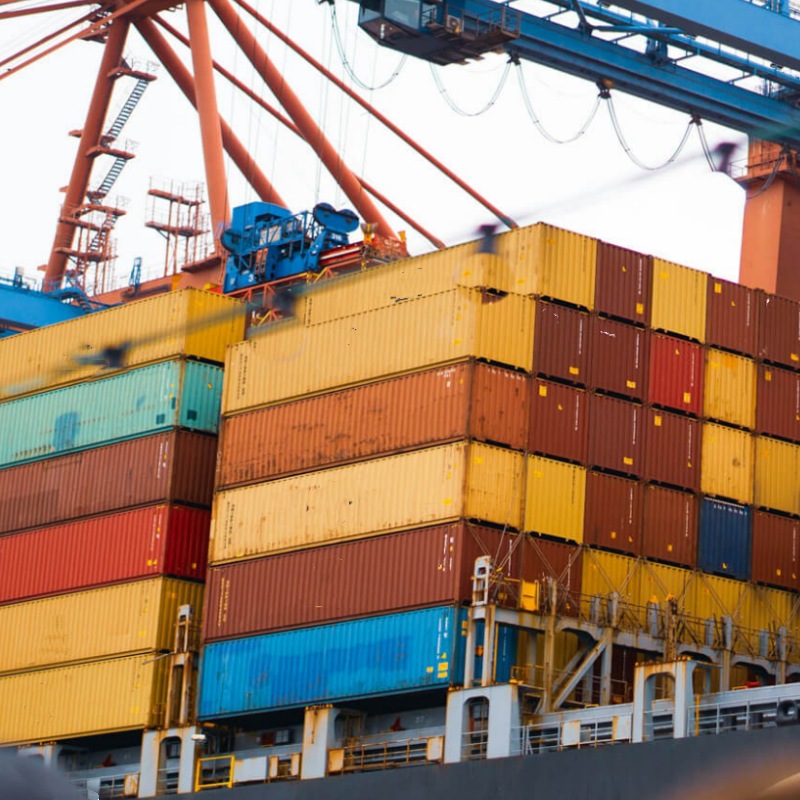
In conclusion, packaging is not just a protective layer—it is a critical engineering factor that directly determines the breakage rate and final performance of neodymium magnets after ocean transportation. Proper packaging design significantly reduces losses, improves consistency, and ensures stable performance for industrial applications.



 IPv6 network supported
Hi! Click one of our members below to chat on