en
en de
de Hefei Super Electronics Co., Ltd.
What Are You Looking For?

Why do some magnet shipments move smoothly across borders, while others get delayed or even rejected? For many buyers and importers, the answer lies in a factor that is often underestimated—the invisible magnetic field. Unlike ordinary cargo, high strength neodymium magnets require special handling because their physical properties can directly affect transportation safety, especially in air freight.
The core issue is magnetic interference. Strong magnets can influence aircraft instruments such as compasses if their field strength exceeds regulated limits. To manage this risk, international aviation authorities have established strict standards. If a package emits magnetic flux beyond the allowable threshold at a specified distance, it may be classified as restricted cargo or even dangerous goods. This is why some shipments must undergo testing before they are accepted by airlines.

To meet these requirements, magnetic shielding becomes a critical step. Exporters typically use steel or iron materials to confine the magnetic field within the packaging. Effective shielding design can significantly reduce external magnetic leakage, ensuring compliance with transport regulations. In practice, many shipments must pass a gauss test, and a formal test report is often required before booking air freight space.
Beyond compliance, packaging also serves a protective function. Neodymium magnets are inherently brittle, meaning they can crack or chip under impact. At the same time, strong magnetic force permanent magnets can cause them to collide with each other or nearby metal objects during transit. To prevent this, suppliers combine cushioning materials with structural reinforcement, ensuring both physical safety and magnetic stability throughout the journey.
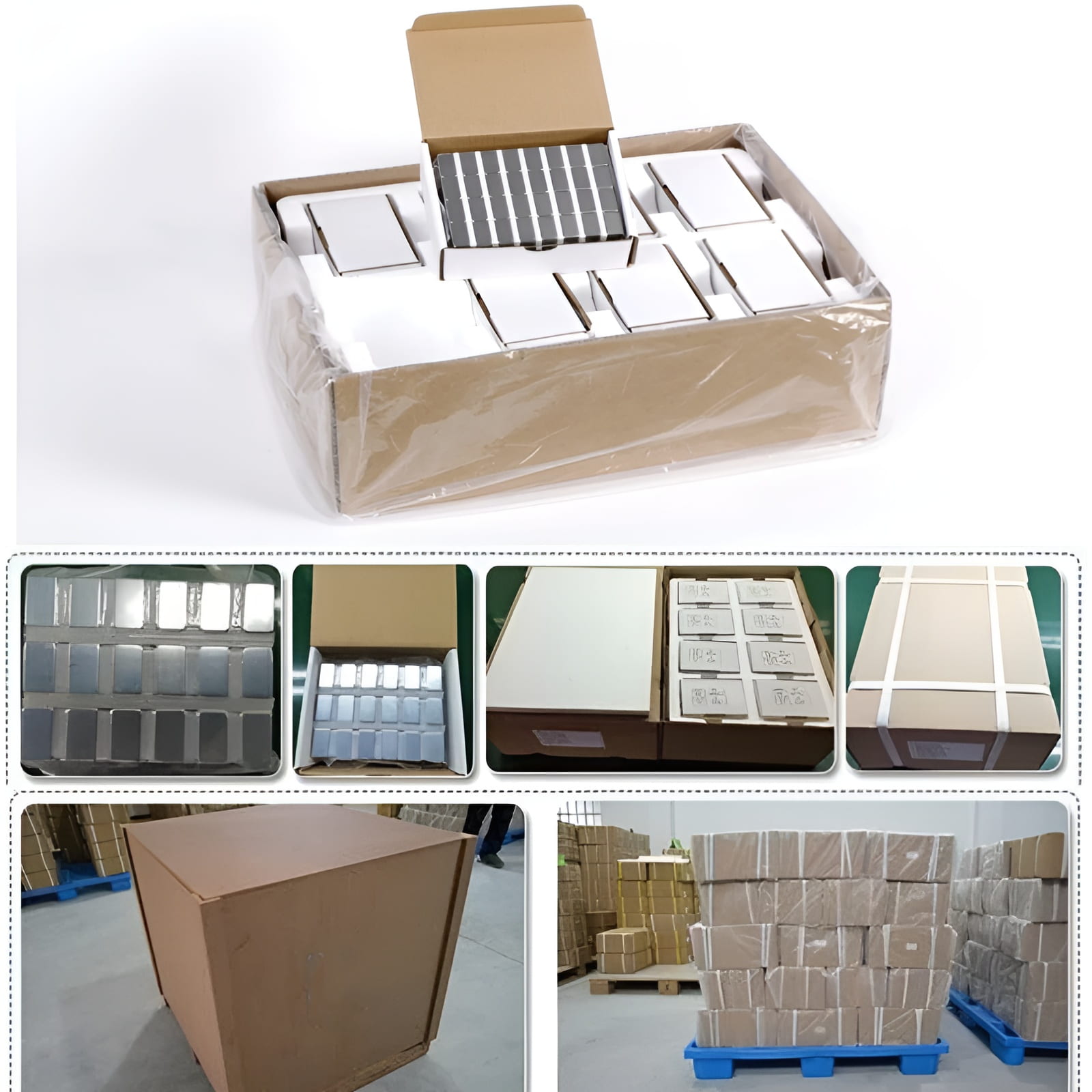
Transportation mode plays a major role as well. Air freight has the strictest limitations due to safety concerns, while sea freight and land transport are generally more tolerant of magnetic materials. However, this does not mean that requirements can be ignored. Poorly packed magnets can still cause operational issues, such as interference with equipment or difficulties in cargo handling, which may lead to delays or additional inspections.
Equally important is the documentation process. Depending on the nature of the goods, exporters may need to provide CE and MSDS certificates issued by a qualified testing institution. These documents are intended to confirm that the goods meet relevant standards and help avoid unnecessary delays in customs clearance or airline acceptance.
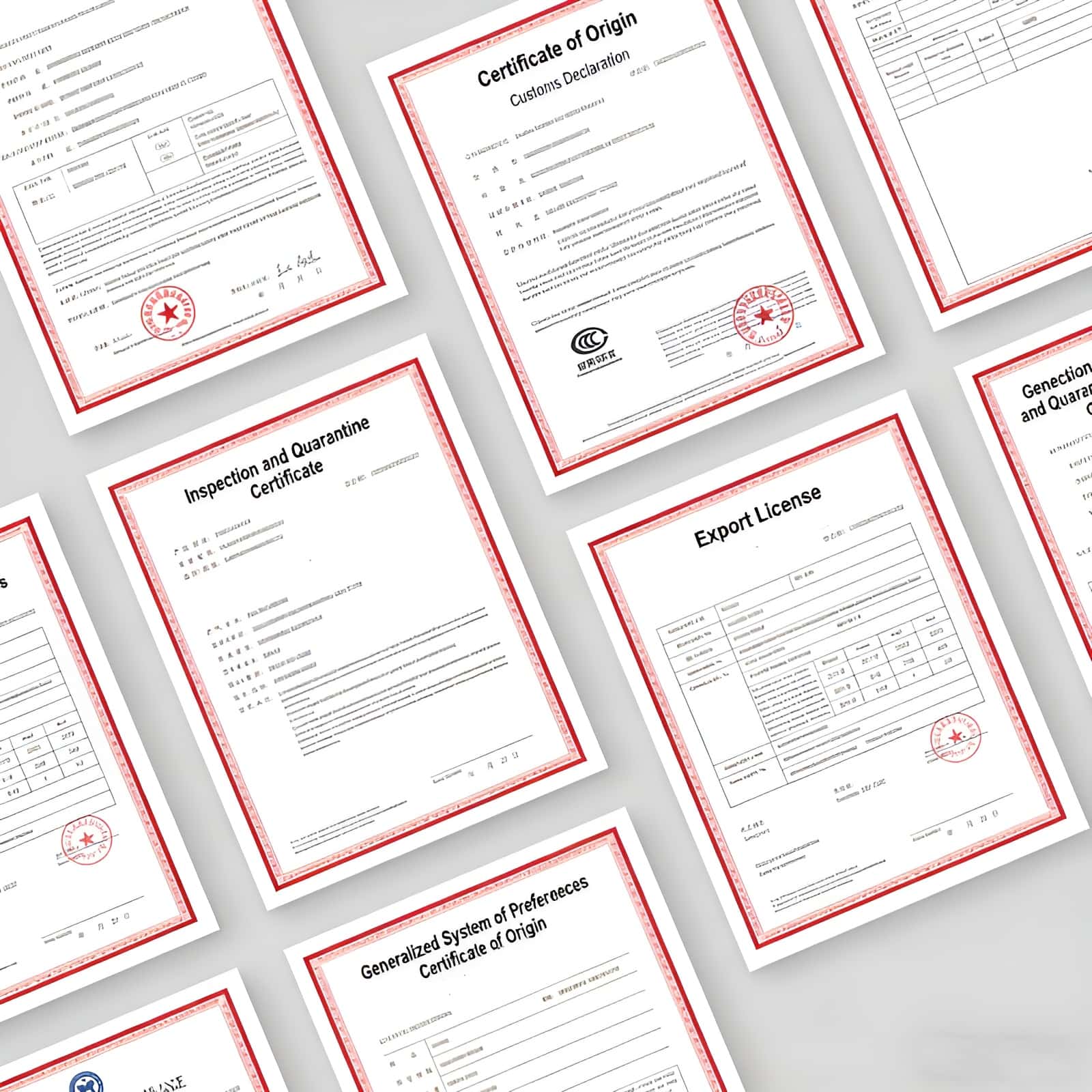
In today’s competitive global market, efficient logistics is just as important as product quality. Neodymium magnet suppliers who understand magnetic cargo restrictions—and proactively address them through proper testing, packaging, and documentation—can greatly reduce shipping risks. More importantly, we build trust with international customers by ensuring that every order arrives safely, compliantly, and on time.



 IPv6 network supported
Hi! Click one of our members below to chat on