en
en de
de Hefei Super Electronics Co., Ltd.
What Are You Looking For?

The rapid rise in rare earth raw material prices has put increasing pressure on the NdFeB magnet industry. With the continued increase in raw material costs, manufacturers are placing greater emphasis on production efficiency, especially reducing material waste throughout the production process. For suppliers and buyers, reducing waste is no longer just an environmental issue, but a key factor in controlling costs and ensuring a stable supply.
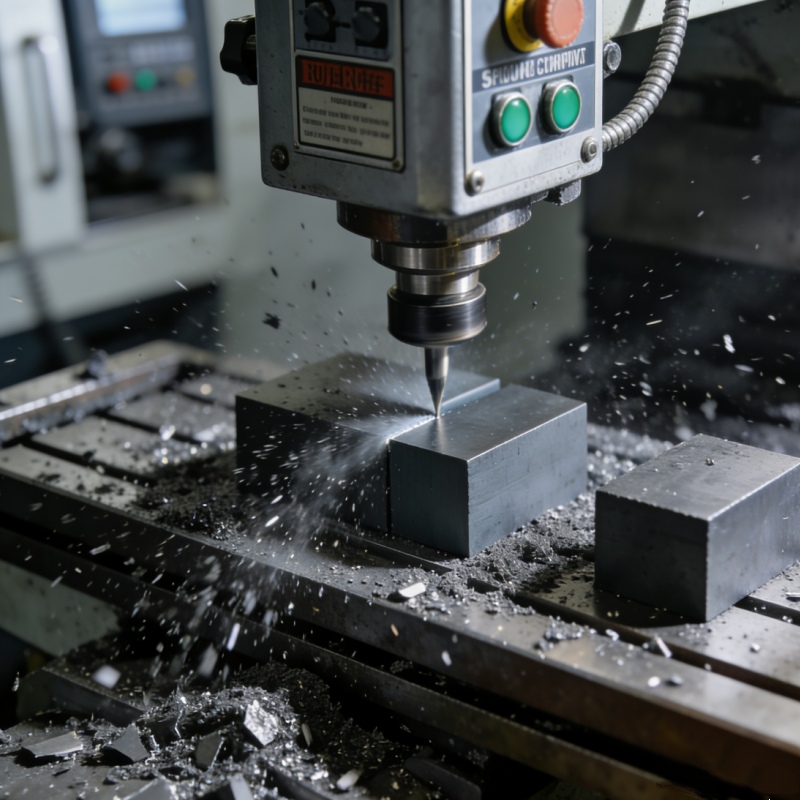
The production of NdFeB magnets involves multiple stages, including powder preparation, pressing, sintering, machining, and surface coating. Among these steps, material loss most frequently occurs in the machining stage, where magnets are cut or ground to precise dimensions. Excessive machining allowances or poor process control can lead to significant waste of high-value magnetic materials.
To cope with rising raw material prices, many manufacturers are optimizing near-net-shape production technologies. By improving pressing precision and mold design, custom produced neodymium magnets can ultimately achieve closer dimensions, thereby reducing the amount of material that needs to be removed during machining. This not only reduces waste but also shortens processing time and improves overall efficiency.
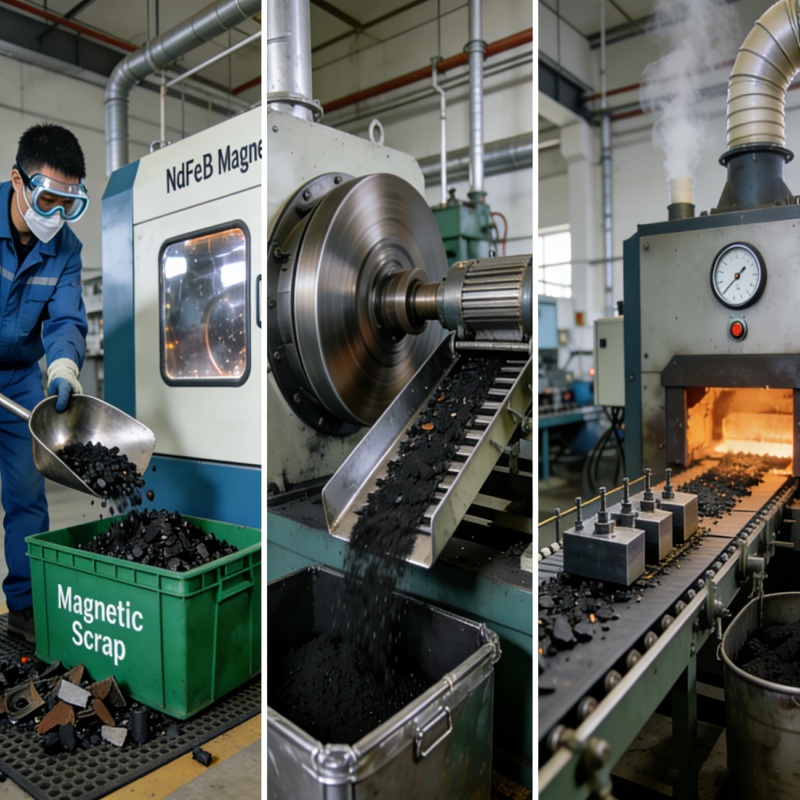
Another important method is the recycling and reprocessing of magnetic waste. Production waste, grinding residues, and discarded parts can be collected and reused through a controlled recycling process. While recycled materials must meet stringent quality requirements, effective reuse reduces reliance on virgin rare earth materials and helps stabilize production costs during market fluctuations.
Process automation also plays a crucial role in reducing waste. Advanced CNC machining, automated inspection systems, and real-time quality monitoring help maintain tighter tolerances and reduce scrap due to errors. By improving batch-to-batch consistency, professional rare earth magnet manufacturers can achieve higher material utilization and more predictable output.
From the buyer's perspective, reducing waste directly impacts prices and delivery times. Suppliers who control material waste are better able to offer stable prices even when raw material costs rise rapidly. Furthermore, efficient material utilization contributes to more reliable production planning, which is especially important during peak seasons or supply chain disruptions.

Due to the continuous fluctuations in raw material prices, reducing material waste has become a strategic priority for the NdFeB magnet industry. Through improved design, optimized processing techniques, and responsible recycling, manufacturers can maintain product quality while effectively controlling costs. For customers, partnering with suppliers who focus on efficient material utilization can bring long-term benefits in terms of cost control and supply reliability.



 IPv6 network supported
Hi! Click one of our members below to chat on