en
en de
de Hefei Super Electronics Co., Ltd.
What Are You Looking For?

In today's increasingly interconnected global market, standardization has become a key factor in facilitating the trade of rare earth magnets, including neodymium (NdFeB) products. Standardization plays a crucial role in ensuring consistency in quality, interoperability, safety compliance, and market transparency. With the continued growth in demand for high performance permanent magnets across industries, the development and application of international standards help streamline trade processes, reduce trade barriers, and build trust between manufacturers and international buyers.
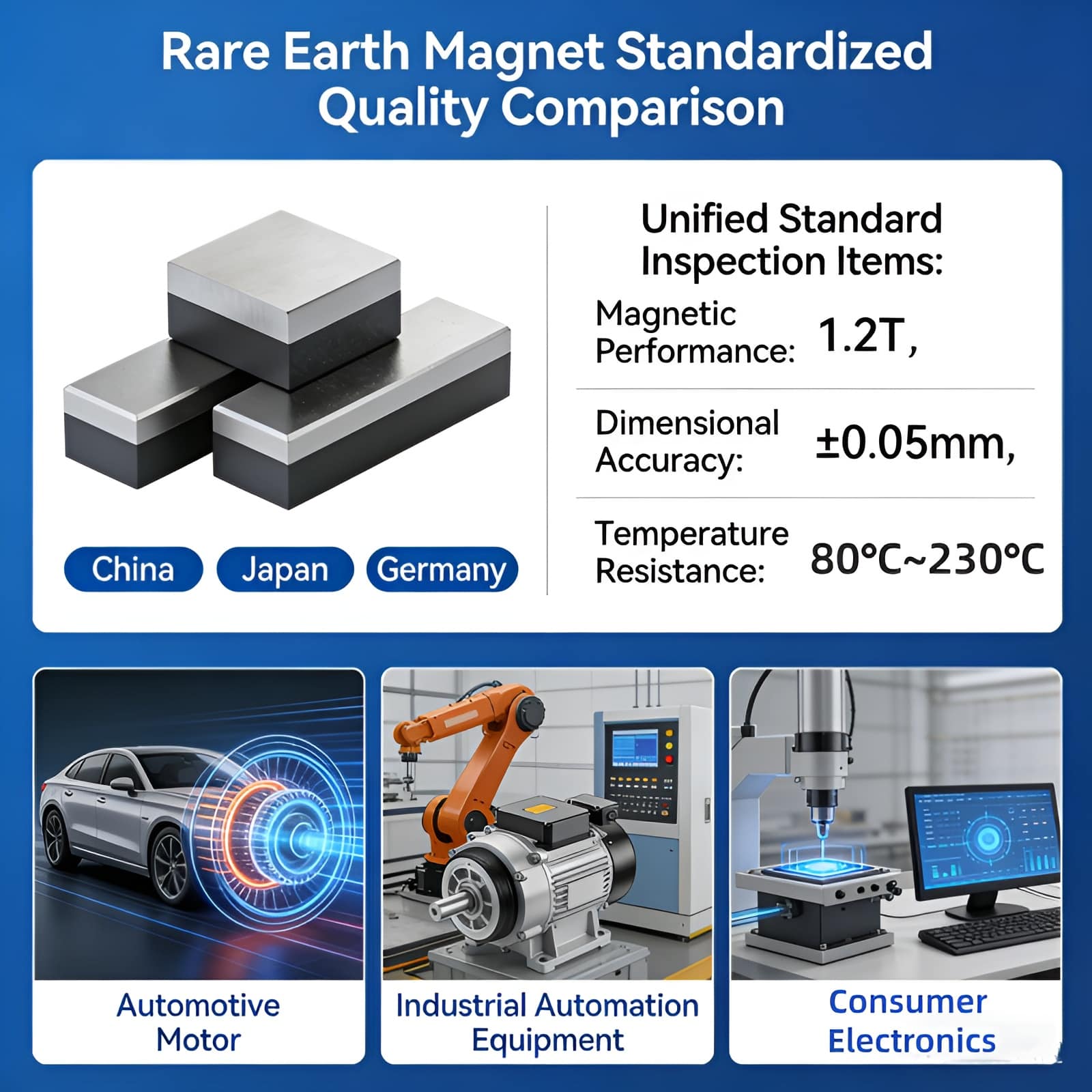
One of the main advantages of standardization is quality assurance. Rare earth magnets are widely used in precision fields such as automotive motors, industrial automation equipment, and consumer electronics. International standards define benchmark requirements for magnetic properties, dimensional tolerances, coercivity, and temperature performance. These benchmarks allow buyers to compare products from different regions on a common basis, thereby reducing uncertainty and enhancing confidence in cross-border sourcing.
Standardized testing methods are equally essential for achieving consistency in magnet performance evaluation. For example, internationally recognized testing procedures for tensile strength, flux density, and temperature stability ensure that measurement results are reliably repeatable regardless of the testing laboratory or geographical location. This consistency simplifies quality verification and reduces disputes related to product acceptance during inspection or certification processes.
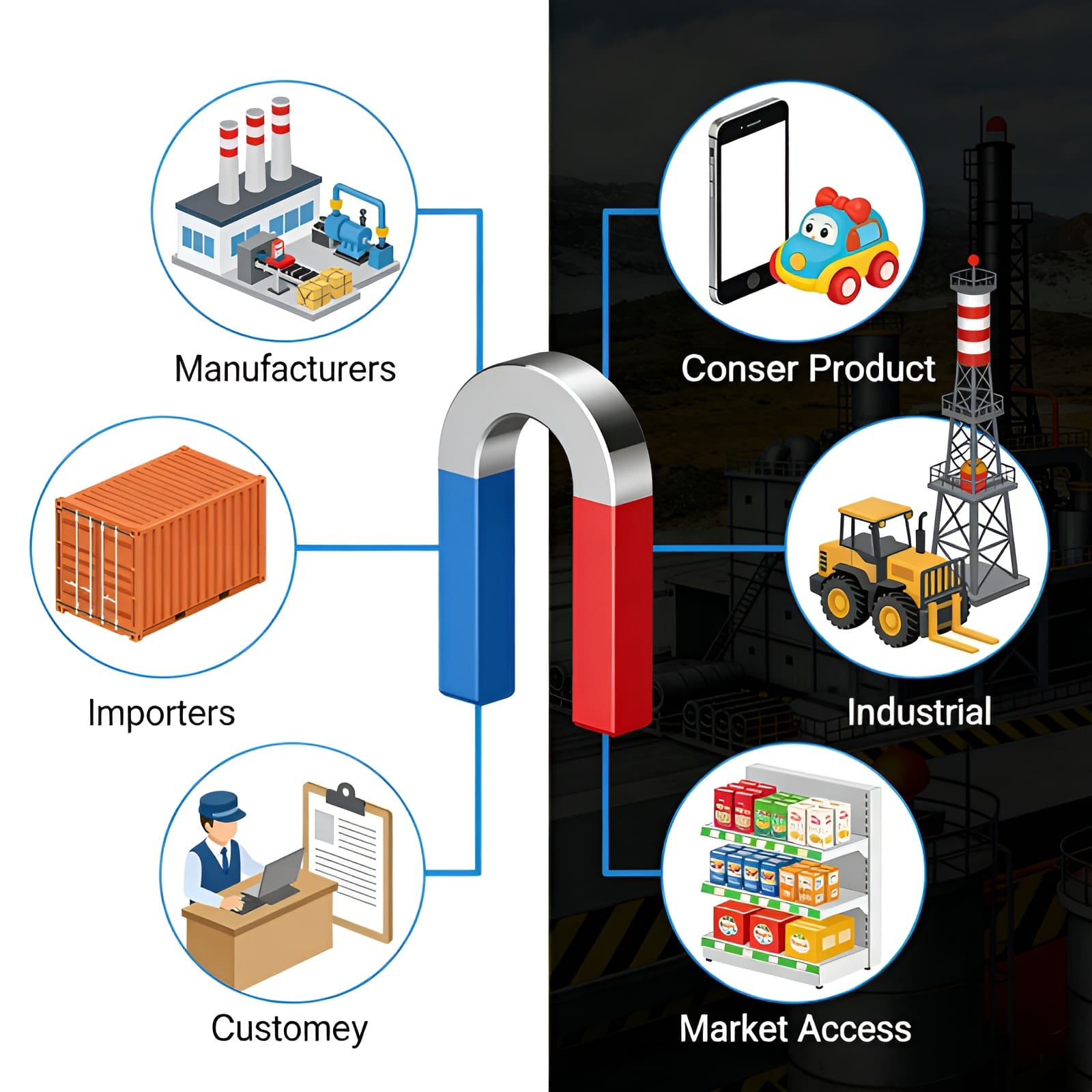
Beyond product specifications and testing, standardization also impacts regulatory compliance and safety. Many industries require magnets to meet specific safety standards, especially when used in consumer products or equipment in hazardous environments. By adhering to recognized standards, neodymium magnets manufacturers and importers can more effectively demonstrate compliance with regulatory frameworks, facilitating smoother customs clearance and market access.
In addition to technical standards, industry classification systems (such as the Harmonized Commodity Code (HS Code)) play a complementary role in global magnet trade. Harmonized systems standardize how products are classified in international tariffs and trade declarations. Clear and consistent classifications facilitate accurate tariff calculations, statistical analysis, and comparison of trade data, benefiting both importers and exporters.
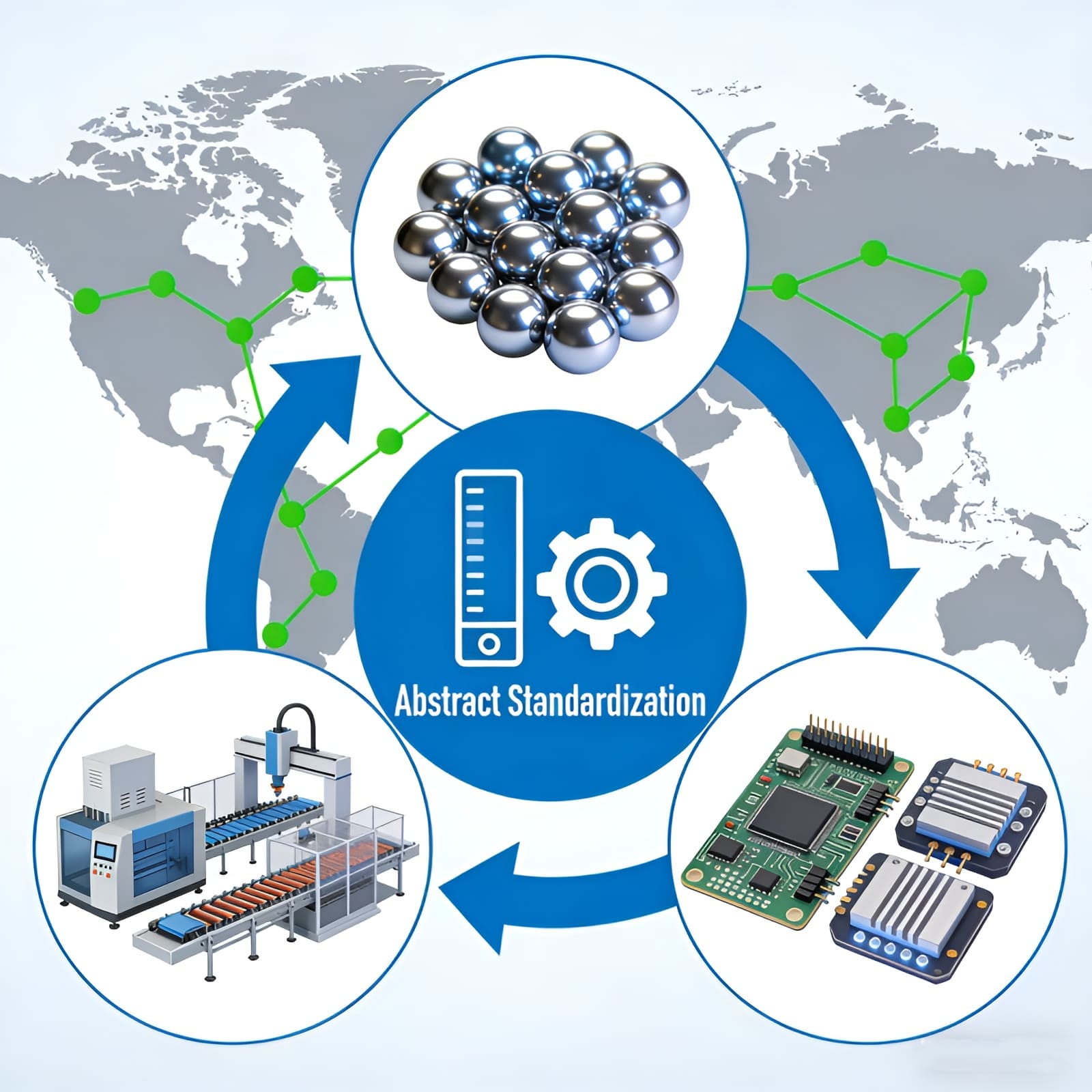
Standardization also helps promote innovation and interoperability. As new magnetic materials and manufacturing technologies emerge, updated standards encourage the adoption of more advanced performance standards while maintaining compatibility with existing systems. This ensures that technological advancements do not lead to market fragmentation but rather contribute to building a more unified global supply chain.
In summary, standardization has laid a crucial foundation for the global rare earth magnet trade by improving quality consistency, simplifying testing and compliance processes, enhancing market transparency, and fostering innovation. As international demand for rare earth magnets continues to grow, adhering to evolving standards will remain a key strategy for companies to compete effectively in the global market.



 IPv6 network supported
Hi! Click one of our members below to chat on